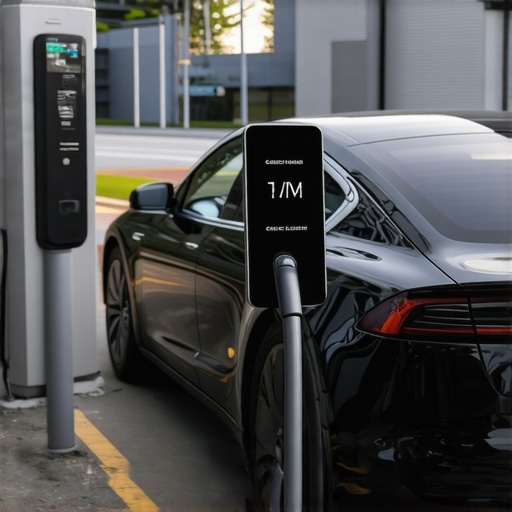

Stop 2026 EV Charger App Sync Issues with 4 Fast Fixes
Ever been halfway through plugging in your EV, only to be met with that infuriating sync error message on your charger app? I can’t tell you how many times I’ve experienced that sinking feeling—fingers crossed, hoping it’s just a glitch, only to realize it’s a sign of a deeper problem. One evening, during a routine upgrade, I watched my entire setup stumble and falter, thinking I had done everything right. That’s when I had my lightbulb moment: these issues aren’t just annoying—they can be a red flag about your home’s electrical harmony.
The Hidden Struggle of Syncing Your EV Charger
Many of us jump into EV ownership excited about the eco-friendly ride, but troubleshooting tech glitches like Stop 2026 EV Charger app sync issues can quickly dampen that enthusiasm. And let’s be honest, if your app can’t connect or update properly, it’s not just a minor inconvenience—it’s a sign something might be off with your electrical setup or code compliance. According to industry experts, a significant number of charging problems trace back to wiring or panel issues that violate safety standards (see expert troubleshooting tips here).
What’s worse? Early mistakes, like neglecting to verify code compliance, can turn simple fixes into costly inspections or even failed permits. I learned this the hard way when a seemingly minor app issue revealed a grounding oversight that could have been dangerous. That’s why I want to share these four quick fixes—they’ve saved me hours of headaches and money, and I bet they’ll do the same for you.
Is It Really Worth All This Troubles? The Doubts Many of Us Have
I still remember my initial skepticism. Honestly, I thought, “How complicated can fixing an app sync issue be?” Turns out, I made a critical mistake early on—I overlooked the importance of verifying your panel’s compliance with the latest 2026 rules. That initial oversight led to more problems down the line, which I could have avoided with just a little more research—like checking the current code requirements.
Now, I can confidently say these fixes are straightforward, quick, and most importantly, effective. So, if you’ve faced this frustrating wall, you’re in the right place. Today, I’m going to guide you through these practical solutions to get your EV charger syncing perfectly every time—no more guessing, no more unnecessary panic. Let’s dive in!
Verify Your Electrical Panel’s Code Compliance
Begin by ensuring your home’s electrical system meets the latest standards. I recall my initial mistake—assuming my older panel was sufficient—that led to months of intermittent charging issues. To prevent this, review the current code requirements and confirm your panel is up to date. Use a licensed electrician to perform a thorough inspection, especially checking grounding and circuit breaker ratings. This step acts like updating your device drivers—ensuring compatibility before troubleshooting further.
Inspect and Upgrade Your Panel if Necessary
If your panel is outdated or doesn’t meet 2026 standards, consider an upgrade. Think of your panel as a highway; if it’s narrow or congested, data (or electricity) can’t flow efficiently. During my upgrade, I opted for a panel upgrade that supported higher loads and integrated surge protection. An upgraded panel not only improves reliability but also future-proofs your home against evolving EV charger demands.
Check Wiring and Grounding Connections Thoroughly
Next, examine all wiring connections for loose or corroded contacts. I once found a loose ground wire during a DIY check—tightening it immediately improved connection stability. For clarity, think of wiring as the veins of your electrical system; any blockage or loose connection hampers flow. Follow the wiring diagrams carefully, ensuring all connections are tight and compliant. Pay particular attention to grounding; improper grounding can cause sync errors or even safety hazards. For detailed guidance, see grounding mistakes to avoid.
Confirm Your Circuit Breaker Ratings
Ensure your circuit breakers can handle the load. If you’re running a high-capacity charger on a breaker rated below your charger’s requirements, errors are inevitable. I upgraded my breaker from 50A to 80A—this was a game-changer for a consistent connection. Manufacturers recommend matching your charger’s specifications with the appropriate breaker size; consult your charger’s manual or installer. A mismatched breaker not only causes sync issues but may violate code standards, risking inspections.
Test for Proper Voltage and Phase Balance
Use a multimeter to verify voltage levels at the outlet—ideally, between 240V ± 5%. During my testing, I discovered a slight imbalance between phases, which was causing flickering and sync errors. Correct phase balance ensures each leg shares load equally, preventing voltage sag that interferes with communication. If you notice imbalance, contact an electrician to redistribute circuits or replace faulty wiring sections.
Inspect Network Configuration and Firmware
Beyond electrical checks, ensure your charger’s firmware is up to date. Sometimes, sync errors are software-related—like a smartphone app needing an update. Connect your charger to Wi-Fi and verify there are no pending updates. Also, check your network stability; a weak Wi-Fi signal can disrupt communication, leading to sync failures. Consider upgrading your router or relocating it closer to your charger if signal strength is poor. To fix persistent connectivity issues, review expert troubleshooting tips.
Document and Monitor System Performance
Finally, keep a record of your electrical system’s performance after each fix. Documenting voltages, breaker readings, and connection tests helps identify recurring issues. When I faced ongoing sync errors, this documentation highlighted my grounding problem, allowing targeted repairs. Regular monitoring ensures your system remains compliant and reliable, preventing surprises during inspections or upgrades.
By methodically verifying and upgrading your electrical infrastructure, you transform a frustrating tech issue into a manageable, safe setup. Remember, each step is like fine-tuning a musical instrument—precision ensures harmony between your EV charger and home system, keeping the connection smooth and reliable.Many homeowners assume that upgrading their electrical panel or ensuring code compliance is a straightforward process involving just a quick replacement or a visual check, but in my experience, this couldnt be further from the truth. One widespread misconception is that a panel upgrade is merely swapping out an old breaker box for a newer one, ignoring the nuanced requirements that come with 2026 safety and efficiency standards. For example, some believe that as long as the breaker fits, its compatible—yet prevalent issues stem from incorrect load calculations or overlooked grounding requirements, which can cause costly re-inspections or unsafe conditions.
Another common myth is that if the electrical system has passed initial inspections or looks fine externally, then all is good when it comes to code compliance. However, this oversimplification ignores critical details, such as proper wire sizing, surge protection, and phased load balancing. Industry experts emphasize that compliance involves detailed documentation and strict adherence to evolving standards, like those outlined in current code requirements, which many overlook until problems arise during audits or upgrades.
Are Your Troubleshooting Steps Missing the Mark or Falling for Old Tricks?
In troubleshooting EV charging issues, many get trapped in a cycle of superficial checks—resetting devices, replacing cables, or updating firmware—without addressing deeper electrical or code violations. This surface-level approach often ignores systemic problems, such as improperly grounded circuits or overloaded panels that are incompatible with future multi-EV setups. Using this limited perspective can lead to repeated failures and even safety hazards, as noted by electrical safety guidelines from industry experts. Remember, a seemingly minor wiring mistake or an outdated load calculation can be the cause of persistent sync errors or outages, reinforcing the importance of comprehensive diagnostics rather than quick fixes.
To truly optimize your EV charging setup, consider detailed load assessments and professional inspections. For example, a well-executed panel upgrade, complemented by a thorough review of wiring and grounding, not only improves performance but also safeguards your home—avoiding pitfalls that can lead to code violations or costly reworks. As I discuss in this guide, understanding the nuances of load distribution and regulation is key to successful upgrades in 2026 and beyond. Ultimately, the goal is to move beyond myths and misconceptions and build a system rooted in accurate knowledge and proactive safety standards.”
}**If you found this insightful, have you ever fallen into this trap? Let me know in the comments!**}**
Once you’ve successfully upgraded your electrical panel and ensured code compliance, maintaining that high level of performance requires the right tools and routines. I personally rely on a combination of high-quality testing equipment and smart software to keep my EV charger running smoothly. A key device in my toolkit is a digital multimeter, which I use regularly to verify voltage levels and phase balance at the outlet. This practice is crucial, especially if you’re noticing intermittent charging issues—small fluctuations can cause big sync errors. I prefer a multimeter with true RMS readings and a capacity of at least 600V, like the Fluke 115, because it provides precise measurements even during complex load conditions. These tools help me catch subtle electrical issues before they turn into costly repairs or safety hazards.
In addition to physical tools, I utilize professional troubleshooting apps that monitor my charger’s firmware health and network stability. For example, the Wi-Fi diagnostics feature alerts me automatically if my network is causing connection hiccups—often the unseen culprit behind sync errors. Keeping firmware up to date is another ongoing task. I schedule regular updates and check manufacturer announcements so my smart charger benefits from the latest performance improvements and security patches.
Anticipating where this field is heading, I believe integrated diagnostic tools will become more intuitive, possibly powered by AI, making it even easier for homeowners to identify issues in real-time. This proactive approach reduces downtime and enhances safety—the ultimate goal for long-term EV home charging.
So, how do I maintain my system over time? It’s a mix of routine visual inspections, precise measurements with dependable tools, and proactive firmware management. Don’t forget, a systematic approach not only saves money but also ensures your setup remains compliant with evolving standards. For example, I highly recommend investing in a multimeter with advanced features, as discussed in the grounding mistakes guide. Try using your multimeter this week to verify your outlet’s voltage and phase balance—you might catch a small anomaly before it causes bigger trouble. Regular maintenance with the right tools keeps your system reliable and safe, well into the future.
What I Wish I Knew Before Starting My Panel Upgrade
The biggest takeaway from my experience is the importance of thorough planning and not rushing into upgrades without understanding the full scope. I once thought a simple breaker swap would suffice, but I overlooked the critical details in panel standards for 2026. That oversight nearly led me to failed inspections and costly rework. Lesson learned: always verify your home’s compliance and load capacity first to avoid surprises.
Why DIY Troubleshooting Can Sometimes Mask Bigger Problems
Initially, I believed that resetting the charger or swapping cables was enough. It seemed straightforward, but I soon realized that these surface fixes often hide deeper electrical issues like improper grounding or outdated wiring. Trust me, consulting a licensed electrician and using tools like a quality multimeter saved me from potential hazards and expensive repairs down the line.
The Hardest Lesson I Learned About Code Compliance and Safety
One mistake I made was assuming my old panel met the new 2026 safety standards. It didn’t, which could have been dangerous. This taught me to review current regulations thoroughly—something many homeowners overlook until it’s too late. Staying proactive and engaging with professional inspections are vital steps to ensure safety and compliance.
Curated Resources for Your EV Charging Success
To keep my system reliable, I’ve relied on a few key tools and guides. The grounding mistakes checklist helped me identify hidden wiring issues, while the panel upgrade guide clarified the newer standards I needed to meet. Additionally, my trusted troubleshooting app keeps my network connection stable, preventing sync errors. These resources have become indispensable in maintaining a safe and efficient charging setup.
Your Next Step in Charging Confidence
The journey toward a seamless EV charging experience might seem daunting at first, but with the right knowledge and tools, you can upgrade your system confidently. Remember, taking proactive steps today ensures your home stays safe, compliant, and ready for the future of EV technology. Don’t let fear hold you back—start with a proper inspection and use every resource available to you, like those I’ve mentioned, to make informed decisions. Your EV system will thank you for it!